The Beginner’s Guide to the Perfect Beef BBQ
08.12.2020
The taste of good barbecue is unmistakable. Smoky, pull-apart tender, and sweet, tangy, or spicy. Whichever way you like your beef barbecue, it can be intimidating to try to master it yourself. Whether you want to boost your skills or you’re just getting started, we’ve put together a few tips to have you grilling mouthwatering beef barbecue in no time.
But first, some terms to know …
BBQ Slang
Barbecuing has a rich history spanning back to colonial times (and maybe even before). Over time, the cooking method has become such a significant part of American culture that there are TV shows about it, a region of the country named “the barbecue belt” (the Carolinas to Texas), and plenty of debates about the right way to do it.
You may have heard of BBQ pitmasters from the TV show with the same name, but if you haven’t, it means exactly what it sounds like: masters of barbecuing. This term is commonly used among aspiring barbecuers across the country. If you’re reading this blog, you may have the goal to become one.
Some other commonly used terms:
- Binder: A sticky ingredient or mixture, often yellow mustard, that is rubbed on a cut of meat to hold on dry seasonings.
- Brine: A mixture of seasonings and liquid that beef marinates in prior to cooking.
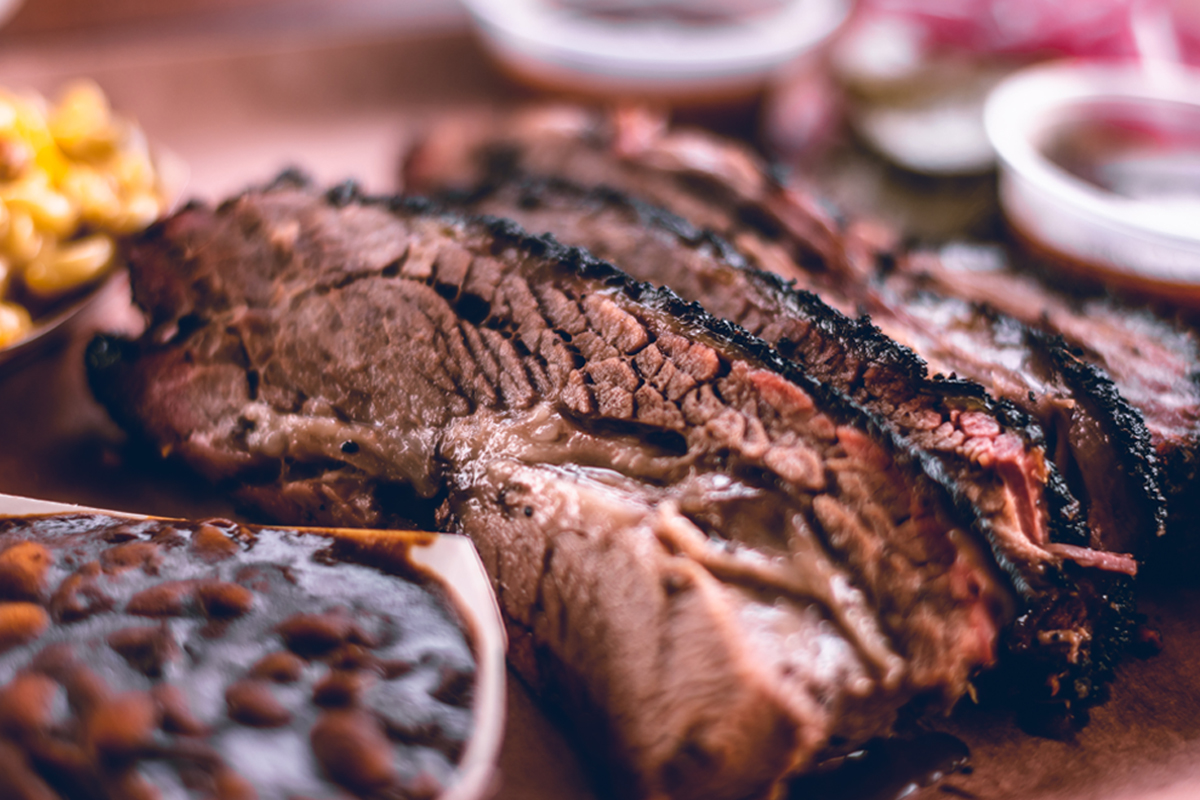
- Burnt Ends: The points of the brisket that produce a crunchy, chewy texture.
- Bark: The chewy outsides of beef cuts (like brisket) that have been smoked.
- Low and Slow: A cooking technique (that pitmasters swear by) in which meat is cooked at a low temperature for several hours.
- Pit: Can refer to any barbecuing equipment (a grill, smoker, or historically, a hole in the ground over which meat was cooked).
- Pit Boss: Someone who oversees the barbecue. Interchangeable with “pitmaster.”
- Smoking: A method of cooking and flavoring meat by exposing it to smoke.
The Beef Cuts
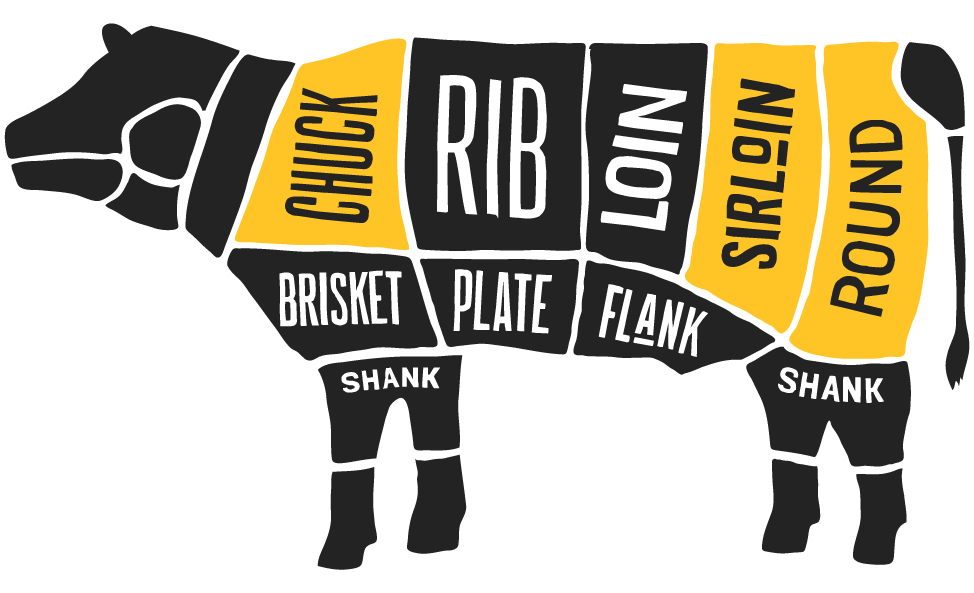
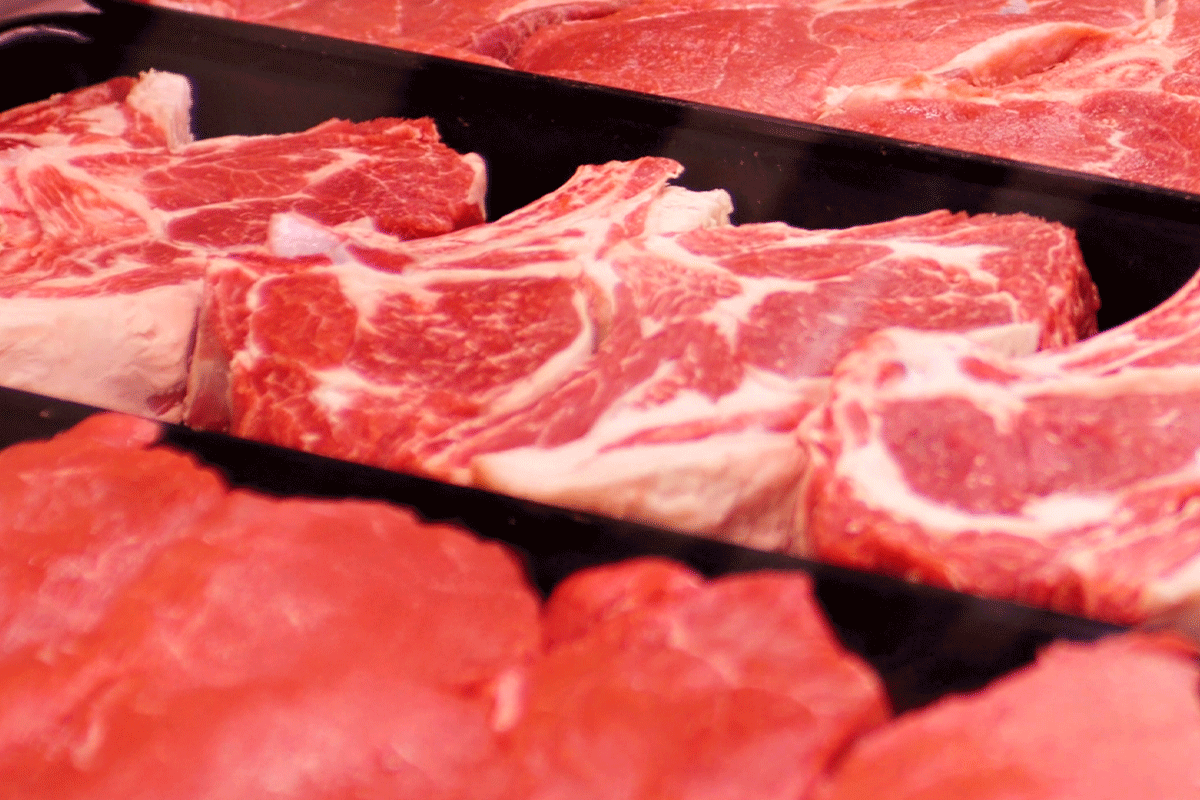
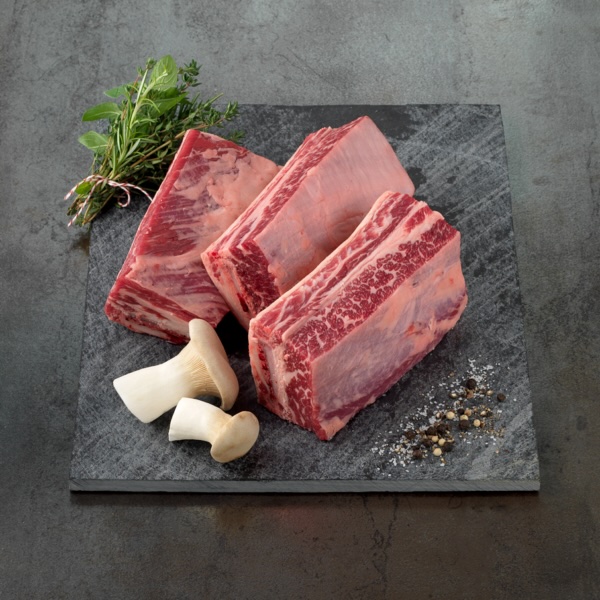
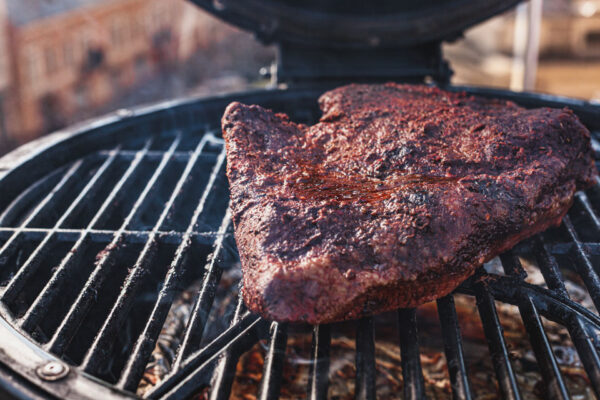
Traditionally, beef ribs and brisket are the most common cuts used for barbecuing. When it comes to ribs, you can choose back ribs—the signature ribs for smoking and barbecue—or chuck short ribs, which are meaty and tender and can be served boneless. Brisket is a classic cut for smoking and “low and slow” cooking to add tenderness and rich flavor. It is often served sliced and on sandwiches. You can use a whole beef brisket for additional marbling and tenderness, or the flat half for a leaner option. If you want to cook pulled beef for BBQ sandwiches, you can slow cook a chuck roast or sirloin tip roast.
What You’ll Need
Cooking equipment and utensils vary depending on the cut and barbecuing technique you use.
The most common equipment for barbecuing beef includes:
- Grilling gloves
- Long metal tongs
- A sharp chef’s knife
- A digital meat thermometer
- A basting brush
- Aluminum foil
- A good cutting board or butcher’s block
Beef BBQ Rubs
1855 Black Angus Beef is exceptionally flavorful, so salt and pepper are all you need. If you want to branch out and try other rubs, common seasonings include paprika, garlic powder, onion powder, and mustard powder.
Beef BBQ Sauces
When it comes to barbecue sauces, there are endless flavor possibilities! There are a few camps on the best styles: tangy, sweet, sour, mustard-based, and even mayonnaise. The kind of sauce you use largely comes down to your individual flavor preferences, but for beef, we recommend Texas-style BBQ sauce, which is thick and molasses-like to keep the beef moist.
Wood for Barbecuing Beef
The wood you choose for smoking beef depends on your personal preference, but here’s a breakdown to help you decide:
- Hickory: strong, smoky, sweet
- Mesquite: intense, earthy, robust
- Oak: versatile, mild, nutty
- Olive: mild, nutty, fruity
- Pecan: nutty, rich, sweet
Barbecuing Techniques and Cooking Times
As mentioned above, barbecuing techniques can vary based on the beef cut and flavor preference. The three major techniques are smoking, grilling, and slow cooking. If you’re barbecuing for the first time, we recommend a charcoal grill and indirect grilling to cook beef slowly for an hour or so. Avoid checking the meat too often to prevent losing heat.
If you’re a pitmaster in the making, you can try your hand at using a smoker or cooking beef over an open flame. Get the low-down on cooking beef over an open fire in our helpful article.
The Beef Makes the Barbecue
Mouthwatering barbecue starts with high-quality beef. 1855 Black Angus Beef offers unmatched tenderness and flavor, and our products are always USDA Prime beef and Upper 2/3 USDA Choice. When you choose 1855 Black Angus Beef, your barbecue will always be extraordinary.