How to Cook Steak on the Stovetop: Pan-Frying Steak, Made Simple
06.15.2025
Grilling. Reverse searing. Sous vide. Air frying. There’s no shortage of beef cooking methods to try if you want to enjoy a delicious steak at home. Whether you’re a home chef interested in experimenting with new steak preparation methods or want a straightforward way to cook the perfect steak, pan-frying is one of our favorite methods.
Here’s how to cook steak on the stovetop in just a few easy steps.
First, Why You Should Cook Steak on the Stovetop
Pan-frying is a classic method for a reason. It’s simple to do and—with the right beef cut and technique—delivers a delicious, golden-brown crust and mouthwatering eating experience. If you’re not up for grilling and want a quick, simple way to cook steak, pan-frying is an excellent go-to method, especially if you only need to prepare one or two steaks.
Choosing Your Steak: Best Steaks for Pan-Frying
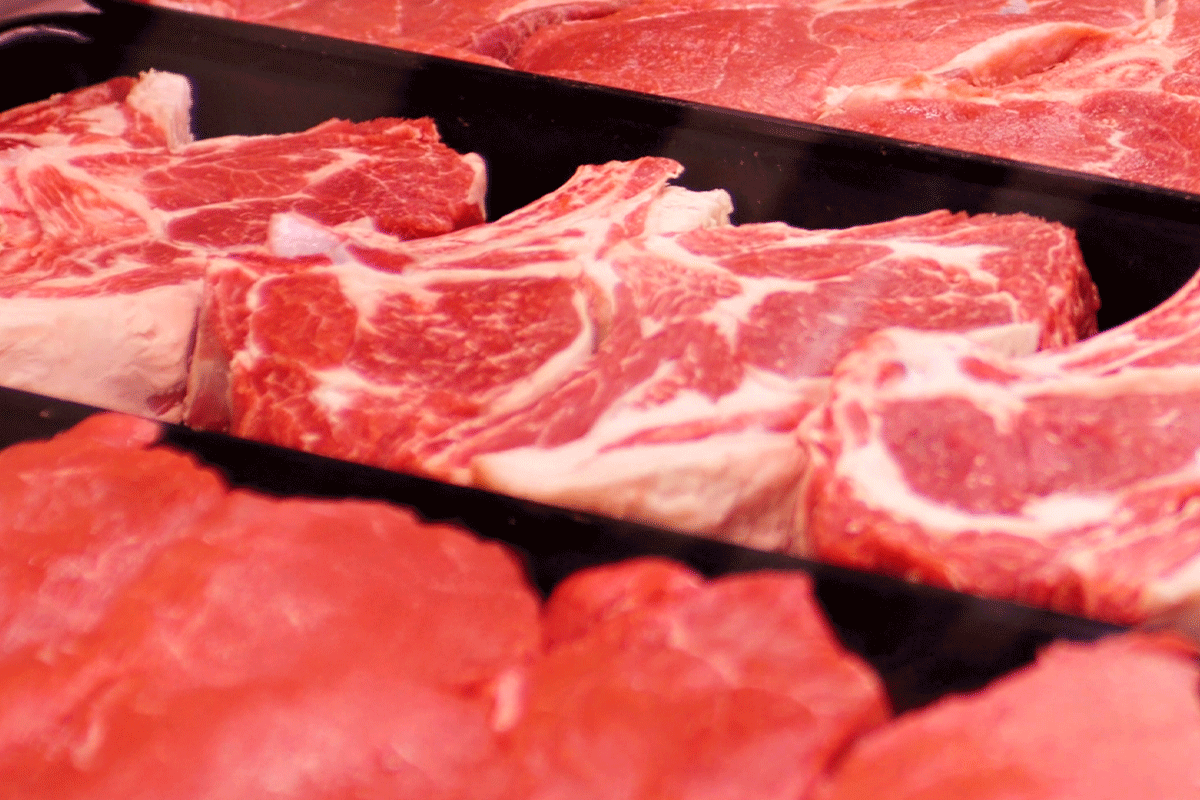
Pan-frying is a tried and true method for producing juicy and tender steaks, so any USDA Prime or Choice beef cut works well with this method. However, pan-frying creates an exceptional sear on highly marbled cuts such as Ribeye and New York Strip.
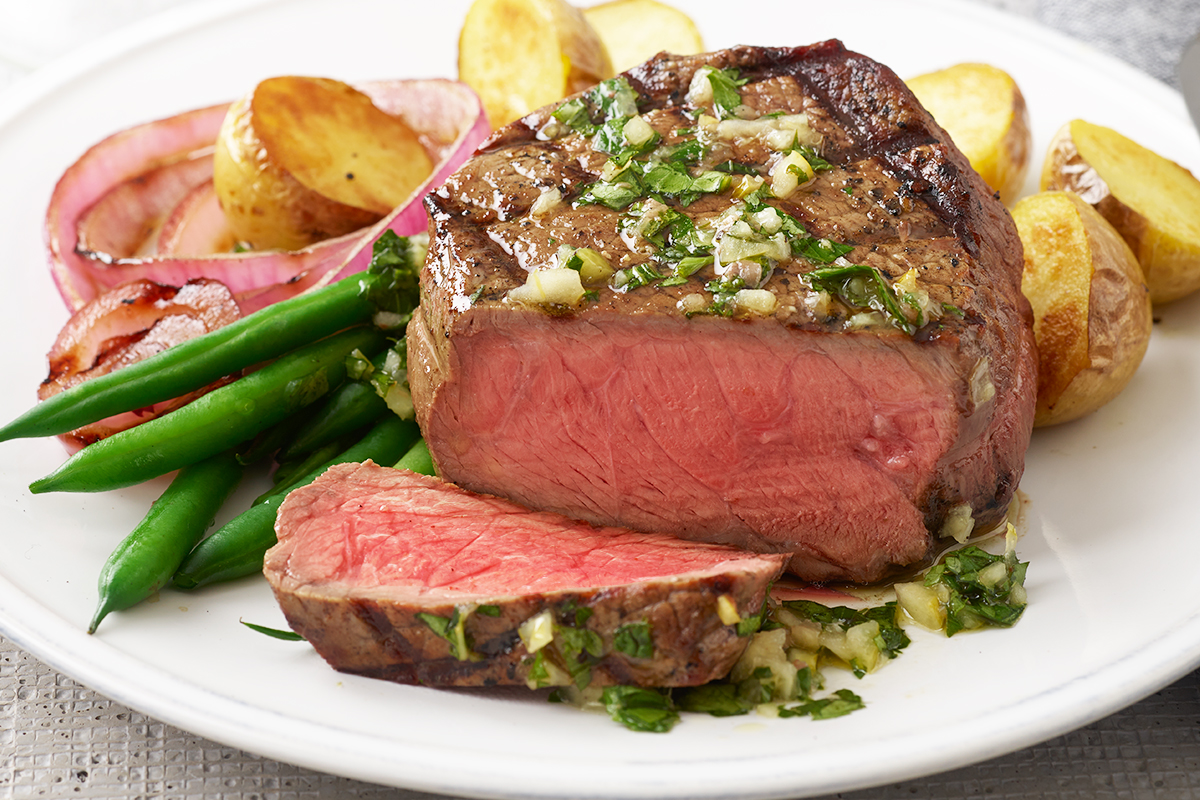
While typically lean, Beef Tenderloin is also excellent when prepared on the stovetop (especially if you use butter and oil in the pan). We recommend choosing thick cuts of steak to avoid overcooking—look for beef cuts around one and a half to two inches thick.
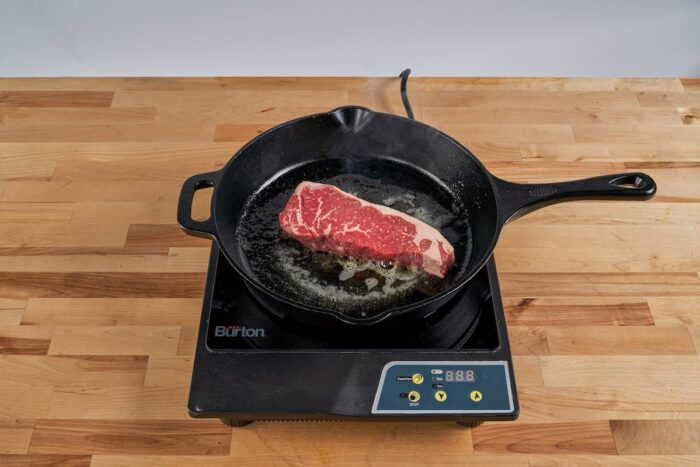
Steps for Pan-Frying Steak: Breaking it Down
To cook steak on the stovetop, you only need a few supplies and ingredients:
- A skillet (non-stick or cast iron)
- Tongs
- Olive oil and butter
- Salt and pepper
- Your steak of choice
While high-quality steak cuts pack bold beefy flavors and only need salt and pepper, you can experiment with new flavors by adding a sprig of rosemary and some garlic cloves to the mix.
To achieve the golden-brown crust on a pan-fried steak, follow these steps:
- Heat your skillet over medium-high heat.
- Add oil (1 teaspoon) and butter (3 tablespoons) to the skillet.
- Season both sides of the steak on a cutting board or plate.
- Once the butter is foaming, add the steak to the pan.
- Cook the steak on one side for about 4 minutes or until browned.
- Flip the steak and cook the other side for 4 minutes or until browned. Only flip the steak once for the best results.
- For added flavor, sear all sides of the steak before removing it from the pan.
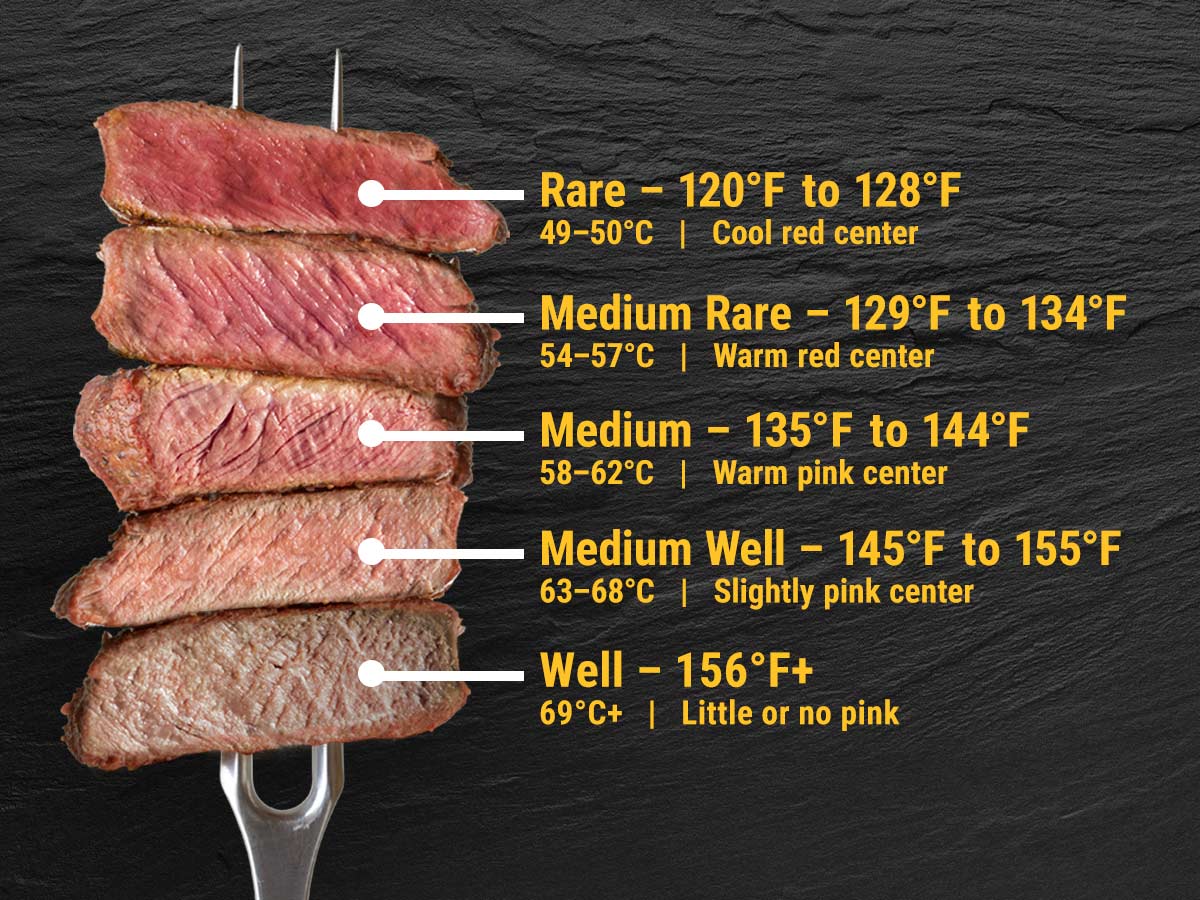
- Add rosemary and garlic cloves if you’d like, and cook to your desired level of doneness (use a meat thermometer to determine temperature).
- Let the steak rest for 10 minutes to allow for juices to reabsorb.
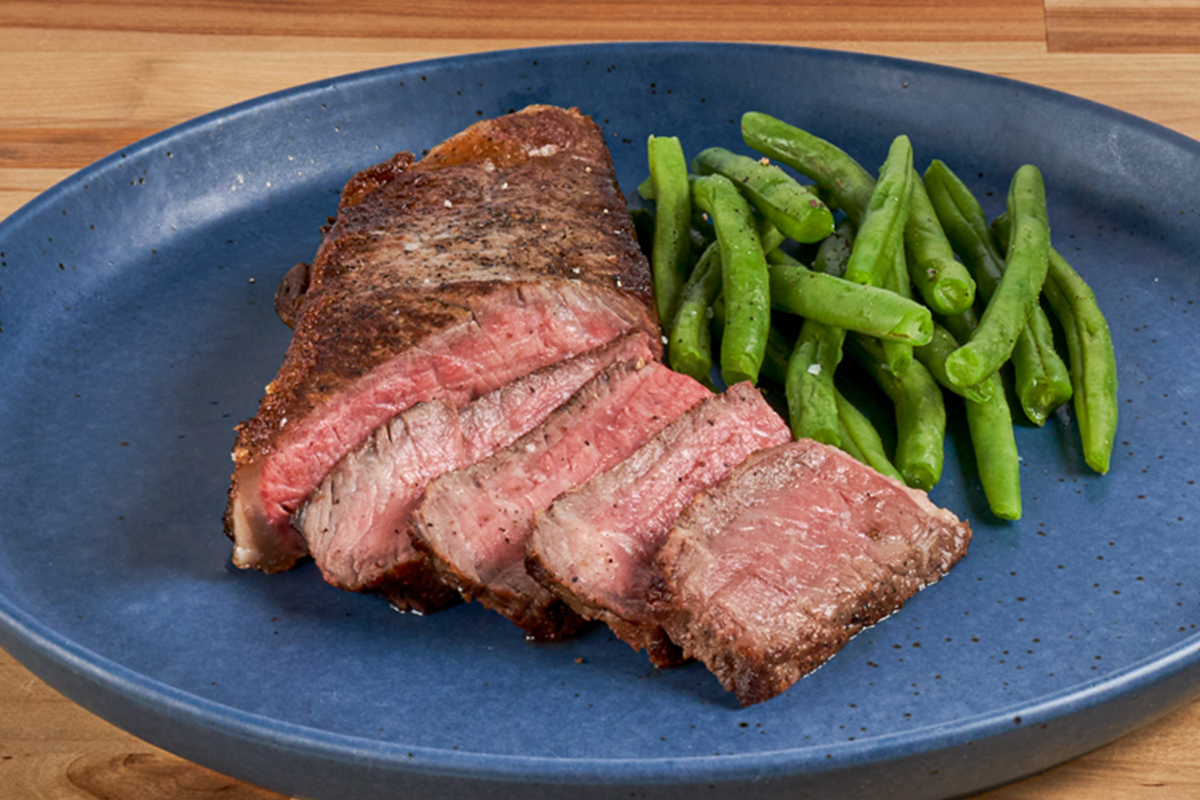
- Cut your steak against the grain and enjoy!
Tips for Cooking Steak on the Stovetop
Pan-fried steak is generally easy to prepare, but if you are new to the method or want to level up your pan-frying skills, use the following tips for the best results:
- Use a cast-iron skillet (the best frying pan for steak) or a pan that can withstand high heat. These pans help lock in flavor and create the perfect sear.
- Before adding the steak, the skillet needs to be hot enough (375°-449°F). If the pan isn’t hot enough, the sear will not be as consistent, leading to uneven cooking. An easy way to check the heat is to add some water to the pan. If the water evaporates, the pan is likely at the right temperature.
- As the steak cooks, add an additional 2 tablespoons of butter and baste it continually with a spoon in the pan to add even more flavor.
- Use a meat thermometer to determine doneness. Avoid cutting into the steak or guessing, as this could result in uneven cooking or an under/overcooked steak.
- Rest the steak after removing it from the pan for the best eating experience. This allows the juices to redistribute and settle, resulting in a consistently juicy, flavorful steak.
- If you are making pan-fried steak on an electric vs. gas stovetop, remember to monitor the pan’s heat, as electric stovetops tend to heat more slowly than gas stoves.
- Serve a unique side or wine with your steak for an extra memorable meal.
Next Up: Sous Vide
Learn how to sous vide beef for perfectly tender, evenly cooked meals every time.